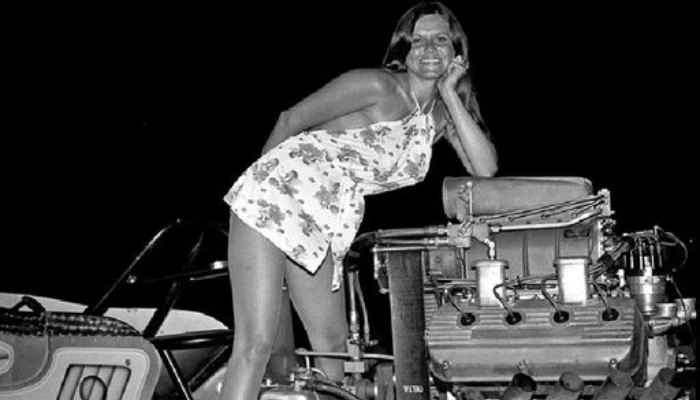
Barbara Roufs remains one of the most fascinating personalities in the history of American drag racing. Known for her striking appearance, vibrant personality, and unforgettable presence at racing events during the 1970s, she became a symbol of an era that celebrated speed, style, and entertainment. While many racing enthusiasts recognize her name, countless people continue to search for information about her life, career, and lasting legacy.
The story of Barbara Roufs goes far beyond photographs and racing memories. She represented a unique period in motorsports when promotional models played a significant role in attracting fans and adding excitement to major racing events. Her influence continues to spark interest decades later, making her an enduring figure in automotive culture. This article explores her life, achievements, impact on drag racing, and why she remains a beloved icon today.
The Early Life and Background of Barbara Roufs
Barbara Roufs was born into a period of significant cultural change in America. Growing up during the 1950s and 1960s, she witnessed the emergence of youth culture, rock music, and the increasing popularity of motorsports. These societal shifts helped shape the environment that would later contribute to her rise in the drag racing world.
Although detailed information about her early years remains limited, Barbara Roufs became associated with the vibrant California automotive scene. During this era, Southern California was a hub for hot rods, custom cars, and drag racing competitions. The region’s thriving car culture created opportunities for individuals who could connect with fans and help promote major racing events.
As drag racing evolved into a major spectator sport, organizers sought charismatic personalities who could engage audiences. Barbara Roufs possessed the confidence, style, and natural charm that made her stand out from others. These qualities would eventually lead her into the spotlight and establish her reputation as one of the most memorable figures in racing history.
Her rise was not accidental. The combination of her unique appearance, outgoing personality, and ability to connect with fans made her an ideal ambassador for the sport. This foundation set the stage for her future success within the competitive and fast-paced world of drag racing.
Barbara Roufs and Her Rise to Fame in Drag Racing
The popularity of drag racing exploded during the 1970s, and Barbara Roufs emerged as one of the most recognizable personalities within the sport. She gained widespread attention as a trophy girl and promotional figure at numerous racing events. Her role involved presenting awards, interacting with fans, and helping create an exciting atmosphere around competitions.
At a time when motorsports were becoming increasingly commercialized, promotional representatives played an important role in event marketing. Barbara Roufs excelled in this position. Her distinctive style reflected the spirit of the decade, characterized by long hair, fashionable clothing, and a confident public presence that resonated with racing audiences.
Photographs of Barbara Roufs became widely circulated among racing enthusiasts. Her image appeared in magazines, event materials, and automotive publications, helping to elevate her status within the racing community. Many fans viewed her as the embodiment of the energetic and rebellious culture associated with drag racing.
What made Barbara Roufs particularly memorable was her authenticity. She was not simply a promotional figure standing beside race cars. She became part of the overall experience that fans associated with major drag racing events. Her enthusiasm and charisma contributed significantly to her popularity and helped cement her place in motorsports history.
The Cultural Impact of Barbara Roufs During the 1970s
The 1970s represented a transformative decade in American culture. Fashion, music, entertainment, and sports all experienced dramatic changes, and Barbara Roufs became a visual representation of many of these trends. Her appearance and public image reflected the free-spirited nature of the era, making her an influential cultural figure beyond the racing world.
During this period, women began gaining greater visibility in industries traditionally dominated by men. Although motorsports remained largely male-oriented, Barbara Roufs demonstrated that women could become influential personalities within the racing community. Her popularity helped broaden the appeal of drag racing and attracted a more diverse audience to events.
Her presence also highlighted the connection between entertainment and sports marketing. Event promoters understood that fans wanted more than just competition—they wanted a complete experience. Barbara Roufs contributed to that experience by bringing glamour, excitement, and personality to racing venues across the country.
Even decades later, images of Barbara Roufs continue to circulate among automotive enthusiasts and collectors. Vintage photographs featuring her often receive significant attention online, demonstrating her lasting appeal. Her influence extends beyond nostalgia, serving as a reminder of how cultural icons can emerge from unexpected places and leave a lasting impact on an entire industry.
Why Barbara Roufs Remains a Popular Figure Today
One of the most remarkable aspects of Barbara Roufs’ story is her continued popularity long after her active involvement in drag racing. Modern audiences frequently search for information about her life, indicating that interest in her legacy remains strong. This enduring fascination can be attributed to several factors.
First, Barbara Roufs represents a unique period in motorsports history. The 1970s are often viewed as a golden age of drag racing, characterized by powerful vehicles, passionate fans, and colorful personalities. As enthusiasts look back on this era, Barbara Roufs naturally becomes part of the conversation because of her prominent role within the sport.
Second, the rise of digital media has introduced her story to new generations. Social media platforms, automotive forums, and historical websites regularly feature photographs and discussions about her contributions. Younger audiences who never witnessed her career firsthand are discovering her influence through online content.
Another reason for her lasting appeal is the mystery surrounding certain aspects of her life. Unlike many modern celebrities whose personal details are extensively documented, Barbara Roufs remains somewhat enigmatic. This sense of mystery encourages curiosity and motivates people to learn more about her journey and achievements.
Her enduring popularity demonstrates the power of genuine charisma and cultural relevance. Barbara Roufs was more than a promotional personality; she became an icon whose image continues to symbolize an unforgettable chapter in automotive history.
The Lasting Legacy of Barbara Roufs in Motorsports History
Barbara Roufs occupies a special place in the history of drag racing. While drivers and vehicle builders often receive the most attention, the sport’s growth also depended on individuals who helped create excitement and connect with fans. Barbara Roufs fulfilled this role exceptionally well and contributed to the broader popularity of racing during her era.
Her legacy extends beyond photographs and memorabilia. She helped define the visual identity of drag racing during a critical period of expansion. Event organizers, sponsors, and fans all benefited from the energy and enthusiasm she brought to racing venues. Her contributions demonstrate that motorsports success depends on many different types of participants, not just those behind the wheel.
Today, collectors and racing historians continue to celebrate Barbara Roufs through exhibitions, publications, and online discussions. Her image remains one of the most recognizable symbols associated with vintage drag racing culture. This ongoing recognition reflects the deep respect and admiration she earned throughout her career.
Perhaps the most significant aspect of her legacy is the inspiration she provides to future generations. Her story illustrates how passion, confidence, and authenticity can leave a lasting impression. Even decades after her time in the spotlight, Barbara Roufs continues to be remembered as a beloved and influential figure in motorsports history.
Conclusion
Barbara Roufs remains an enduring icon whose impact on drag racing and automotive culture continues to be felt today. Through her charisma, style, and dedication to the sport, she became one of the most recognizable personalities of the 1970s racing scene. Her influence extended beyond promotional appearances, helping shape the fan experience and contributing to the growth of drag racing during a pivotal era.
As interest in vintage motorsports continues to grow, the legacy of Barbara Roufs remains stronger than ever. Her story serves as a reminder that cultural icons can emerge from unexpected places and leave a lasting mark on history. Whether admired for her beauty, personality, or contributions to racing culture, Barbara Roufs will always hold a special place in the hearts of automotive enthusiasts around the world.
Frequently Asked Questions (FAQs)
1. Who was Barbara Roufs?
Barbara Roufs was a well-known drag racing promotional personality and trophy girl who gained popularity during the 1970s.
2. Why is Barbara Roufs famous?
She became famous for her presence at drag racing events, where she helped promote competitions and engage with fans.
3. What role did Barbara Roufs play in drag racing?
Barbara Roufs served as a trophy presenter, promotional ambassador, and public figure associated with major racing events.
4. When was Barbara Roufs active in motorsports?
She was most active during the 1970s, a period often considered a golden era for drag racing.
5. Why do people still search for Barbara Roufs today?
Her unique story, iconic photographs, and connection to vintage racing culture continue to attract interest.
6. Was Barbara Roufs a race car driver?
No, she was not a professional driver. She was primarily known for her promotional and public-facing role within the sport.
7. How did Barbara Roufs influence racing culture?
She helped enhance fan engagement and contributed to the entertainment aspect of drag racing events.
8. Are there many photographs of Barbara Roufs available?
Yes, numerous vintage photographs of Barbara Roufs remain popular among collectors and automotive enthusiasts.
9. What makes Barbara Roufs a motorsports icon?
Her memorable image, cultural impact, and association with the golden age of drag racing have made her an enduring icon.
10. What is Barbara Roufs’ legacy today?
Her legacy lives on through racing history, collector communities, and continued appreciation from motorsports fans worldwide.