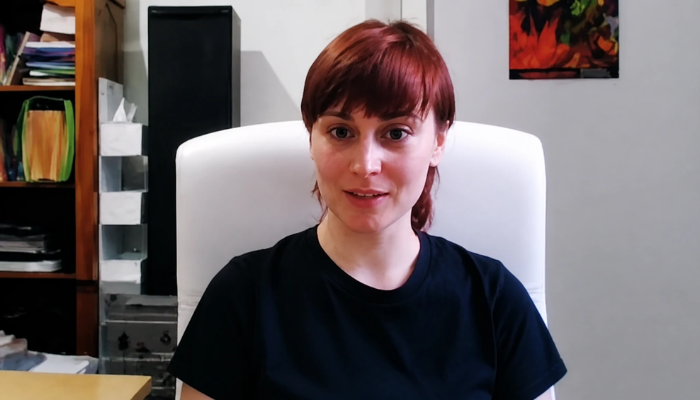
Yvette Amos is a name that captured global attention almost overnight. While many individuals spend years building an online presence, Yvette Amos became famous through a single video appearance that unexpectedly turned into one of the internet’s most talked-about moments. Her BBC interview, conducted during the era of widespread remote work and virtual communication, quickly spread across social media platforms and news outlets worldwide.
The story of Yvette Amos is fascinating because it highlights how digital culture can transform an ordinary moment into a viral phenomenon. What started as a routine television interview evolved into a memorable internet event that sparked conversations about remote work, privacy, media attention, and online humor. In this article, we explore who Yvette Amos is, how she became famous, the impact of her viral moment, and why people continue to search for information about her years later.
Who Is Yvette Amos?
Yvette Amos is a Welsh resident who gained international recognition after appearing on a BBC Wales interview conducted through a video conferencing platform. Before her unexpected rise to internet fame, she was largely unknown to the broader public. Like many people during the pandemic period, she participated in virtual interviews from home, a setting that would ultimately play a major role in her sudden popularity.
Although much of the public interest surrounding Yvette Amos centers on her viral television appearance, she represents a broader phenomenon associated with the digital age. Millions of people began working, studying, and communicating from home during this period. As a result, personal spaces became visible to colleagues, audiences, and viewers worldwide. Yvette Amos became one of the most recognizable examples of how ordinary individuals can become internet sensations through completely unexpected circumstances.
The curiosity surrounding Yvette Amos continues because her story feels relatable. Many viewers saw themselves in the challenges of balancing professional appearances with the realities of everyday life. This relatability contributed significantly to the widespread interest in her story and transformed her from a local interview guest into a globally recognized figure.
The BBC Interview That Made Yvette Amos Famous
The moment that brought Yvette Amos into the spotlight occurred during a BBC Wales interview discussing employment and economic issues. While the interview itself addressed serious topics, viewers quickly noticed an unusual detail in the background of her video feed. That detail became the focus of social media conversations and rapidly overshadowed the interview’s original subject matter.
Within hours, screenshots and clips featuring Yvette Amos began circulating across platforms such as Twitter, Facebook, and Reddit. Internet users shared the images, created memes, and discussed the incident with a mix of humor and curiosity. The viral nature of the content demonstrated the speed at which online communities can amplify unexpected moments.
The incident also highlighted an important aspect of modern media culture. During traditional television broadcasts, production teams carefully controlled backgrounds and visual elements. Remote interviews changed this dynamic by introducing audiences directly into people’s homes. Yvette Amos became one of the earliest and most memorable examples of how these new broadcasting conditions could produce viral moments.
As news organizations reported on the trend, Yvette Amos became a household name in many countries. The attention extended beyond social media, appearing in newspapers, online publications, blogs, and television discussions. Her experience illustrated how a single unexpected detail can transform an ordinary interview into a global talking point.
Why the Yvette Amos Story Resonated With Millions
One reason the Yvette Amos story gained such widespread attention was its authenticity. In an era where much online content is carefully curated, polished, and strategically produced, her viral moment felt completely genuine. Viewers recognized it as an unscripted event that could happen to anyone participating in a video call.
The rise of remote communication created a shared experience for millions of people around the world. Employees attended virtual meetings from kitchens, bedrooms, and living rooms. Students learned through online classrooms. Families connected through video calls. Because of this collective experience, audiences immediately understood the circumstances surrounding Yvette Amos’s interview.
Humor also played a significant role in the story’s popularity. Internet culture often thrives on unexpected and relatable moments, particularly those that reveal the human side of everyday life. Rather than viewing the situation negatively, many people responded with amusement and empathy. This positive reaction helped sustain public interest and encouraged further sharing across social networks.
Another factor contributing to the story’s success was the contrast between the serious interview topic and the unexpected background detail that attracted viewers’ attention. Such contrasts often create memorable viral content because they surprise audiences and encourage discussion. As a result, Yvette Amos became a symbol of the unpredictable nature of online communication and digital media.
The Impact of Viral Fame on Yvette Amos
Viral fame can bring both opportunities and challenges, and the experience of Yvette Amos demonstrates this reality. Suddenly becoming the subject of international attention can be overwhelming, particularly for someone who did not actively seek celebrity status. Unlike influencers or public figures who intentionally build audiences, Yvette Amos became famous unexpectedly.
One challenge associated with viral fame is the loss of privacy. When internet users focus intensely on a particular individual, personal details and private circumstances often attract scrutiny. For Yvette Amos, the attention generated countless discussions about her appearance, surroundings, and personal life. This aspect of internet culture raises important questions about digital ethics and respect for individual privacy.
At the same time, the public response toward Yvette Amos was generally more positive than many other viral stories. Instead of becoming the target of widespread criticism, she was often viewed as a relatable figure caught in an amusing situation. Many commentators emphasized empathy and understanding, recognizing that remote work environments frequently reveal unexpected aspects of daily life.
The story also served as a reminder for professionals, broadcasters, and remote workers about the importance of reviewing virtual backgrounds before joining meetings or interviews. Organizations around the world referenced the incident when discussing best practices for video conferencing. In this way, Yvette Amos inadvertently contributed to broader conversations about digital professionalism and online presentation.
The Lasting Legacy of Yvette Amos in Internet Culture
Years after the original incident, Yvette Amos remains a recognizable name among internet users. Her story continues to appear in discussions about viral moments, remote work culture, and memorable television appearances. This lasting interest demonstrates how certain online events become embedded in digital history.
The Yvette Amos phenomenon reflects a larger trend in modern internet culture where ordinary individuals can achieve global recognition almost instantly. Unlike traditional celebrity pathways involving entertainment, sports, or politics, viral fame often emerges unexpectedly. This shift has fundamentally changed how people understand public visibility and media attention.
Another aspect of her legacy involves the normalization of remote communication. During the years following her viral appearance, virtual meetings became a permanent feature of many workplaces. Discussions about professional backgrounds, home offices, and video call etiquette frequently referenced high-profile incidents similar to the one involving Yvette Amos.
Perhaps the most enduring element of her story is its humanity. Despite the humor and internet memes, the event reminded audiences that real people exist behind screens. The widespread reaction highlighted both the power and unpredictability of digital communication. For many observers, Yvette Amos represents a uniquely modern form of internet fame—one built on relatability, authenticity, and a single unforgettable moment.
Conclusion
Yvette Amos became an internet sensation through a moment that perfectly captured the realities of modern digital life. Her BBC interview transformed from a routine discussion into a global viral event, demonstrating how quickly online attention can spread. The story resonated with audiences because it was authentic, relatable, and reflective of the remote-working experiences shared by millions of people around the world.
Today, Yvette Amos remains a notable example of unexpected internet fame. Her experience continues to spark conversations about privacy, online culture, virtual communication, and the human side of technology. As digital interactions become increasingly central to everyday life, the story of Yvette Amos serves as a memorable reminder that sometimes the most ordinary moments create the most extraordinary impact.
Frequently Asked Questions (FAQs)
1. Who is Yvette Amos?
Yvette Amos is a Welsh woman who gained international attention after appearing in a BBC Wales video interview that became viral online.
2. Why did Yvette Amos become famous?
She became famous because viewers noticed an unexpected detail in the background of her remote BBC interview, leading to widespread social media discussion.
3. Was Yvette Amos a celebrity before the viral incident?
No, she was not a public celebrity before her appearance gained international attention.
4. What was the BBC interview about?
The interview primarily focused on employment and economic issues rather than the background detail that later attracted public interest.
5. Why is Yvette Amos still searched online?
People continue searching for Yvette Amos because her viral moment remains one of the most memorable examples of internet culture and remote-work broadcasting.
6. Did Yvette Amos intentionally create the viral moment?
There is no indication that the incident was intentional. Most observers view it as an accidental and authentic occurrence.
7. What does the Yvette Amos story teach about video calls?
The story highlights the importance of checking backgrounds and surroundings before joining virtual meetings or interviews.
8. How did social media contribute to her fame?
Social media platforms rapidly shared screenshots, discussions, and memes, helping the story reach a global audience.
9. What impact did the incident have on internet culture?
It became a well-known example of how ordinary people can become famous unexpectedly through digital communication.
10. What is Yvette Amos’s legacy today?
Her legacy lies in representing the realities of remote communication, viral internet fame, and the unpredictable nature of online media.